
Fraser Fields Mulching Services
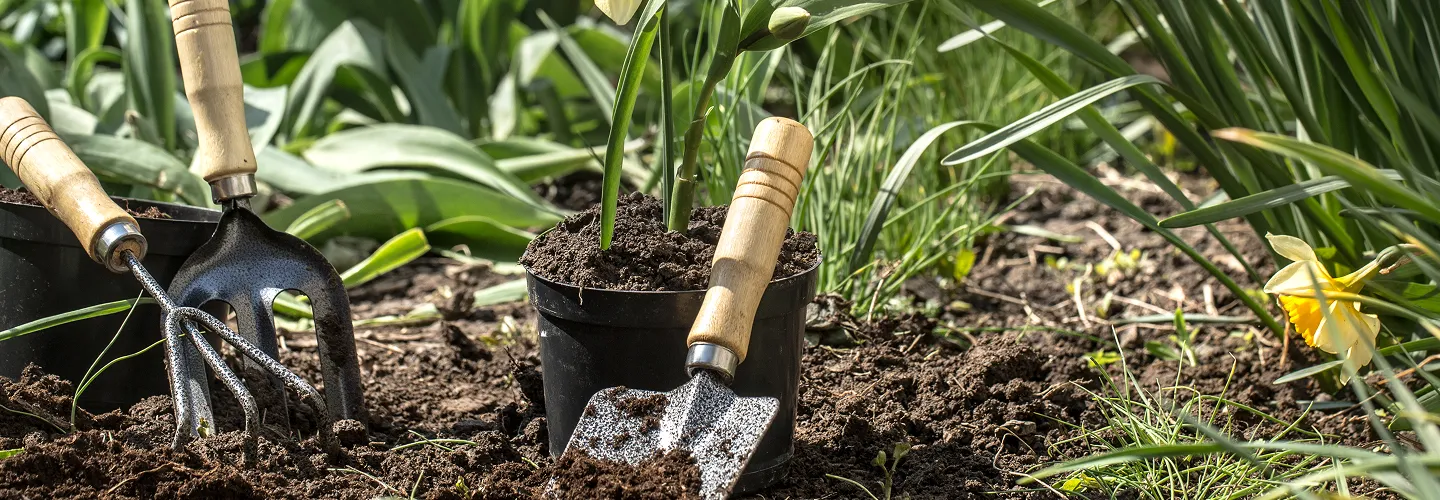
Choose our mulching services for healthier soil, improved moisture retention, and a beautiful, weed-free landscape—expertly delivered by a team that cares about your property’s long-term vitality.
Get a Free QuoteOur Fraser Fields Landscaping & Yard Care Services
When to Schedule Mulching in Fraser Fields, Arizona – Seasonal Guide
In Fraser Fields, Arizona, timing your mulching service is crucial for maintaining healthy, vibrant landscapes throughout the year. The region’s unique climate—marked by hot, dry summers and mild winters—means that the best periods for mulching are typically early spring and late fall. Applying mulch in March or April helps lock in soil moisture before the summer heat arrives, while a late autumn application insulates roots against occasional winter frosts. Neighborhoods near Fraser Park and along the Verde Wash often experience microclimates, with shaded yards and varying soil types that can influence the ideal mulching schedule.
Local environmental factors such as the risk of drought, the presence of clay-heavy soils, and the shade provided by mature mesquite and palo verde trees all play a role in determining when to mulch. Homeowners should also consider municipal guidelines and seasonal precipitation patterns, which can be found on the Town of Sudbury’s official website, to ensure compliance and optimal results.
Local Factors to Consider for Mulching in Fraser Fields
- Tree density and shade coverage, especially in areas like Willow Glen
- Soil type (sandy vs. clay-heavy soils)
- Average precipitation and drought risk
- Frost dates and winter temperature fluctuations
- Terrain slope and drainage patterns
- Municipal restrictions or neighborhood association guidelines
Benefits of Mulching in Fraser Fields
Enhanced Soil Moisture Retention
Weed Growth Suppression
Improved Soil Fertility
Temperature Regulation for Plant Roots
Reduced Soil Erosion
Boosted Curb Appeal
Fraser Fields Mulching Types

Bark Mulch
-
Wood Chip Mulch
-
Compost Mulch
-
Pine Straw Mulch
-
Rubber Mulch
-
Gravel Mulch
-
Leaf Mulch
Our Mulching Process
Site Evaluation
Soil Preparation
Mulch Selection
Mulch Application
Final Inspection
Why Choose Fraser Fields Landscape Services
-
Fraser Fields Homeowners Trust Us
-
Expert Lawn Maintenance
-
Reliable Seasonal Cleanup
-
Competitive Pricing
-
Professional Team
-
Satisfaction Guarantee
-
Personalized Service
Coordinating Mulching Projects with Fraser Fields Municipal Programs and Departments
Mulching in Fraser Fields requires awareness of municipal landscape standards, green waste handling procedures, and stormwater protection expectations that apply across residential and commercial properties. The City of Mesa, which administers services for the Fraser Fields area, maintains tree care and urban forestry guidance through its Environment and Sustainability division. Property owners planning mulch installation or replenishment in planting beds, tree wells, or common areas should verify that excess organic material and packaging waste are disposed of through approved channels rather than left in rights-of-way or near storm drain inlets. The city's tree maintenance resources offer direction on mulch placement around established urban trees, including guidance on avoiding trunk contact and maintaining proper clearance.
- Confirm green waste and bulk material disposal procedures before beginning large-scale mulching projects
- Coordinate with HOA landscape committees where community standards govern mulch type or color
- Avoid staging loose mulch material near curb inlets, washes, or drainage channels
Mesa Environment & Sustainability Department
Official Website: Mesa Environment & Sustainability
Mesa Tree Maintenance Program
Official Website: Mesa Tree Maintenance
How Fraser Fields's Low-Desert Heat and Alkaline Soils Affect Mulching
Fraser Fields sits within the Phoenix metro low-desert environment, classified under USDA Hardiness Zone 9b to 10a, where summer surface temperatures on exposed soil can exceed 150°F. Mulching serves a critical role in moderating root-zone temperatures, reducing evaporative moisture loss, and protecting drip irrigation emitters from UV degradation. The predominant soils in this area tend toward alkaline sandy loam and compacted subdivision fill, often with caliche layers at shallow depth that restrict natural water infiltration. Organic mulches decompose rapidly under sustained heat, requiring more frequent replenishment than in temperate climates. Inorganic options such as decomposed granite or landscape rock resist breakdown but contribute to reflected heat near structures and south-facing walls.
- Alkaline soil pH (commonly 7.5–8.5) can accelerate nutrient tie-up beneath organic mulch layers
- Caliche hardpan limits downward drainage, making surface mulch essential for lateral moisture retention
- Monsoon-season runoff can displace lightweight mulch from sloped beds into washes and retention basins
- Reflected heat from block walls and concrete increases mulch decomposition rates on west- and south-facing exposures
Navigating Fraser Fields's Stormwater and Landscape Compliance Rules for Mulching
Mulching activities in Fraser Fields fall under broader stormwater and landscape maintenance regulations rather than requiring standalone permits. However, property owners and managers must ensure that mulch materials do not migrate into the municipal storm sewer system. The City of Mesa operates under Phase II MS4 stormwater requirements administered by the Arizona Department of Environmental Quality, which mandate that landscaping practices prevent sediment and organic debris from entering drainage infrastructure. Loose mulch placed near retention basins, flood-control channels, or curb inlets must be contained with edging, borders, or berms to prevent washout during monsoon events.
- Mulch must not obstruct or accumulate in public drainage easements, washes, or retention basin inlets
- Properties adjacent to flood-control channels should use heavier mulch materials or secured edging to prevent displacement
- Commercial properties may face additional site maintenance standards under development conditions; verify requirements through the city's Development Services division
Mesa Engineering Department
Official Website: Mesa Engineering Department
The Arizona Department of Water Resources encourages mulching as a water conservation practice, recognizing its role in reducing irrigation demand across desert-adapted landscapes.
Timing and Methods for Mulching Around Fraser Fields's Monsoon and Heat Cycles
Professional mulching in Fraser Fields should follow seasonal timing that accounts for extreme heat exposure and monsoon storm intensity. The optimal window for organic mulch application is late February through April, when temperatures are moderate enough for safe outdoor labor and beds can be prepared before summer heat peaks. A secondary replenishment window occurs in October through November, after monsoon debris has been cleared and before winter planting. Mulch depth for organic materials such as shredded bark or wood chips generally ranges from two to four inches in planting beds, though depth should be reduced within six inches of plant stems and tree trunks to prevent moisture-related decay.
- Apply organic mulch before the monsoon season (typically late June through September) to allow settling and reduce displacement risk
- Use coarser-textured mulch on slopes to resist sheet-flow erosion during heavy rain events
- Maintain a mulch-free zone of three to four inches around tree trunks and shrub bases to prevent crown rot
- Inspect and replenish mulch after significant monsoon storms, particularly in beds adjacent to washes or hardscape runoff paths
- Inorganic mulch such as decomposed granite or river rock is appropriate for xeriscape beds but should include weed barrier fabric beneath to suppress germination
What Neighborhoods Do We Serve Throughout Fraser Fields, AZ?
- Fraser Fields — Established residential lots in this core subdivision feature mature desert-adapted plantings and drip-irrigated beds where organic mulch replenishment is needed seasonally to offset rapid decomposition from sustained heat exposure.
- Lehi Crossing — Properties in this area often sit on older irrigated lots with mixed turf and planting beds, requiring careful mulch management around both drip emitters and flood-irrigated tree wells.
- Mesa Eastmark — Newer subdivision fill soils and compact lot layouts in Eastmark create reflected heat conditions that increase mulch breakdown rates, particularly along south- and west-facing foundation beds.
- Superstition Springs — Mature landscaping and proximity to retention basins in this district demand heavier mulch materials or secured edging to prevent monsoon washout into drainage infrastructure.
- Red Mountain Ranch — Sloped lots and wash-adjacent properties in Red Mountain Ranch require erosion-conscious mulch placement, with coarser materials preferred on graded hillside beds.