
Fraser Fields Pruning Services
Choose our professional pruning services to enhance your landscape’s beauty, promote plant health, and ensure safety—our skilled team delivers precise, reliable results every time.
Get a Free QuoteOur Fraser Fields Landscaping & Yard Care Services
When to Schedule Pruning in Fraser Fields, Arizona – Seasonal Guide
In Fraser Fields, Arizona, timing your pruning services is crucial for maintaining healthy landscapes and maximizing curb appeal. The region’s unique climate—characterized by hot, dry summers and mild winters—means that the best periods for pruning are typically late winter through early spring, before new growth begins. This timing helps minimize plant stress and reduces the risk of disease, especially in neighborhoods near Fraser Park and along the shaded avenues of North 8th Street, where microclimates can influence growth cycles.
Local environmental factors such as late spring frost dates, periodic drought risk, and the sandy, well-draining soils common in Fraser Fields all play a role in determining the optimal pruning schedule. Homeowners should also consider the impact of humidity levels, shade coverage from mature trees, and municipal guidelines, which can be found on the Town of Sudbury’s official website, to ensure compliance and best practices.
Local Factors to Consider for Pruning in Fraser Fields
- Tree and shrub density in your yard
- Proximity to landmarks like Fraser Park or residential clusters
- Soil type and drainage characteristics
- Annual precipitation and drought risk
- Shade coverage from established trees
- Local frost dates and seasonal temperature swings
- Municipal restrictions or neighborhood association guidelines
Benefits of Pruning in Fraser Fields
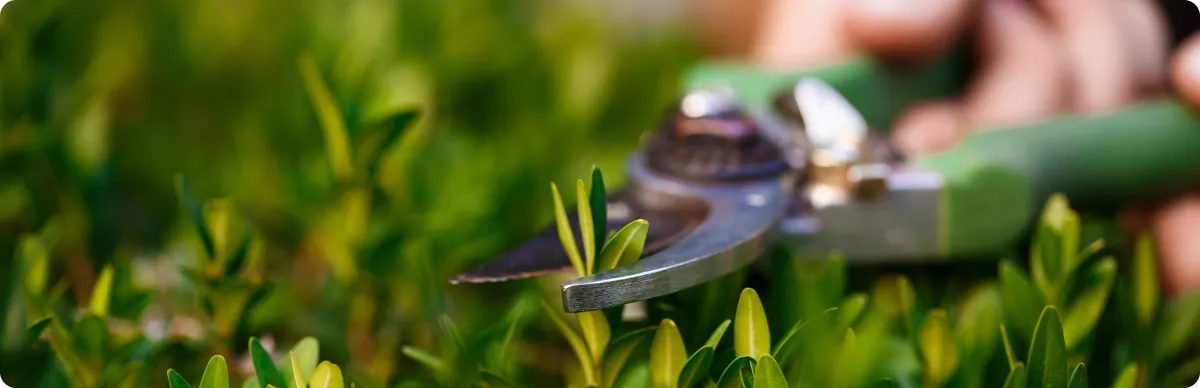
Enhanced Plant Health
Improved Curb Appeal
Increased Sunlight Penetration
Disease Prevention
Professional Expertise
Customized Landscaping Solutions
Fraser Fields Pruning Types

Crown Thinning
-
Crown Raising
-
Crown Reduction
-
Deadwooding
-
Formative Pruning
-
Pollarding
-
Hedge Trimming
Our Pruning Process
Site Evaluation
Plant Selection
Targeted Pruning
Debris Removal
Final Inspection
Why Choose Fraser Fields Landscape Services
-
Fraser Fields Homeowners Trust Us
-
Expert Lawn Maintenance
-
Reliable Seasonal Cleanup
-
Competitive Pricing
-
Professional Team
-
Satisfaction Guarantee
-
Personalized Service
Coordinating Pruning Services Through Fraser Fields's Municipal Tree Care Programs
Fraser Fields is a residential community within the City of Mesa, and all pruning activities on public rights-of-way, parkways, and city-maintained landscapes fall under Mesa's urban forestry and tree maintenance guidelines. Property owners and managers should understand that trees overhanging public sidewalks, streets, or drainage easements may be subject to municipal clearance standards. Mesa's tree maintenance program provides residents with guidance on proper care techniques, species-appropriate timing, and expectations for vegetation that borders public infrastructure.
- Trees extending over sidewalks generally must maintain vertical clearance to avoid obstructing pedestrian passage
- Pruning debris from right-of-way work should be removed promptly and not deposited into washes, storm drains, or curb inlets
- Residents should verify whether trees on or near public easements require coordination with the city before pruning begins
- Green waste generated from pruning must be handled according to Mesa's bulk collection or disposal procedures
Mesa Tree Maintenance Program
Official Website: Mesa AZ Tree Maintenance
Mesa Parks, Recreation & Community Facilities
Official Website: Mesa AZ Parks, Recreation & Community Facilities
For properties adjacent to parks, retention basins, or public landscape corridors, the Parks, Recreation & Community Facilities department can clarify which trees fall under municipal jurisdiction and which are the property owner's responsibility.
How Fraser Fields's Low-Desert Heat and Alkaline Soils Affect Pruning
Fraser Fields sits within the Phoenix metro low-desert environment, classified under USDA Hardiness Zone 9b–10a. This context creates specific challenges for pruning that differ substantially from higher-elevation Arizona communities. Summer temperatures routinely exceed 110°F, and the intense solar radiation means that improper pruning can expose previously shaded bark to sunscald, causing irreversible tissue damage on species such as mesquite, palo verde, and citrus.
- Alkaline soils with pH levels commonly above 7.5 limit nutrient uptake, making trees more vulnerable to stress after heavy pruning
- Caliche layers restrict root depth, so trees depend on lateral root systems that can be destabilized if canopy reduction is too aggressive
- Reflected heat from block walls, concrete driveways, and decomposed granite surfaces intensifies thermal stress on freshly pruned branches
- Monsoon winds from July through September can exploit weak branch unions left unaddressed during the pruning window, increasing storm-damage risk
Soil conditions in Fraser Fields subdivisions often include compacted fill material from development grading, which further limits root vigor and recovery capacity after pruning. The USDA Web Soil Survey can help property owners identify specific soil series on their parcels.
Navigating Fraser Fields's Regulatory Requirements for Tree Pruning Compliance
Pruning in Fraser Fields must account for several layers of regulatory context. Mesa's Development Services department oversees zoning and site compliance, including vegetation screening requirements that may restrict how aggressively trees or shrubs along property frontages can be pruned. Properties within planned community overlays or HOA-governed subdivisions may face additional architectural review standards for landscape appearance.
- Pruning that affects sight-triangle visibility at intersections or driveways may trigger review by the city's engineering or transportation departments
- Stormwater compliance under Arizona DEQ's MS4 program requires that pruning debris not enter storm drainage infrastructure or natural washes
- Commercial applicators performing pruning as part of integrated pest management must hold appropriate credentials through the Arizona Department of Agriculture if any pesticide treatment is applied to pruning wounds or surrounding vegetation
- The Arizona Department of Forestry and Fire Management recognizes Mesa as a Tree City USA participant, reinforcing the city's commitment to responsible urban tree stewardship
Mesa Development Services
Official Website: Mesa AZ Development Services
Property owners should confirm current screening and setback vegetation requirements with Development Services before removing significant canopy from frontage or perimeter trees.
Timing Pruning Around Fraser Fields's Monsoon Season and Summer Stress Cycles
Professional pruning standards in the low desert require careful attention to seasonal windows. Not all species follow the same calendar, and applying a single pruning schedule across all trees and shrubs in Fraser Fields can lead to poor outcomes.
- Desert-adapted trees (palo verde, mesquite, ironwood): prune during late spring before monsoon onset to remove deadwood and reduce wind-sail effect; avoid heavy structural cuts during peak summer heat
- Citrus trees: light pruning and deadwood removal in late winter or early spring; avoid exposing interior branches to direct summer sun
- Oleander and similar shrubs: prune after spring bloom flush; avoid shearing into dense outer shells that trap heat and harbor pests
- Structural pruning: focus on removing crossing branches, water sprouts, and co-dominant stems that create weak unions vulnerable to monsoon wind loading
Sanitation practices matter in Fraser Fields's warm climate. Pruning tools should be cleaned between trees, particularly when working near species susceptible to bacterial or fungal infections. Cuts should be made just outside the branch collar without leaving stubs, and wound sealants are generally unnecessary for healthy desert-adapted species. Irrigation adjustments following significant canopy reduction are advisable, as reduced leaf area decreases water demand and can lead to overwatering if schedules remain unchanged. The Arizona Department of Water Resources landscaping guidance provides additional context on aligning irrigation with canopy changes.
What Neighborhoods Do We Serve Throughout Fraser Fields, AZ?
- Fraser Fields North — Established lots with mature mesquite and palo verde trees that benefit from regular structural pruning and deadwood removal before monsoon season
- Fraser Fields South — Newer subdivision sections where recently planted trees require formative pruning to establish strong branch architecture early in their growth
- Lehi Crossing — Properties near older irrigation infrastructure where dense canopy growth along fence lines and easements requires periodic clearance pruning
- Mesa Grande — Larger residential parcels with mixed citrus and ornamental plantings that demand species-specific pruning timing and careful sun-exposure management
- Superstition Springs area — Commercial-adjacent properties where sight-line maintenance and right-of-way clearance pruning are ongoing priorities due to pedestrian and vehicle traffic patterns