
Fraser Fields Lawn Mowing Services
Choose Fraser Fields for reliable, professional lawn mowing that keeps your yard healthy, beautiful, and hassle-free—so you can enjoy more time outdoors without the work.
Get a Free QuoteOur Fraser Fields Landscaping & Yard Care Services
When to Schedule Lawn Mowing in Fraser Fields, Arizona – Seasonal Guide
In Fraser Fields, Arizona, the timing of your lawn mowing routine is crucial for maintaining a healthy, vibrant yard. The region’s unique climate—marked by hot, dry summers and mild winters—means that grass growth patterns differ from other parts of the country. Typically, the optimal mowing season begins in early March, just after the last frost date, and extends through late October. Neighborhoods near Fraser Park and the historic downtown area often experience microclimates due to varying shade coverage and soil types, which can influence how frequently lawns need attention.
Local environmental factors such as drought risk, humidity levels, and the prevalence of clay-rich soils play a significant role in determining the best mowing schedule. For example, properties closer to the Verde River corridor may see more lush growth due to higher soil moisture, while homes near the Sunridge Estates might contend with more compacted, arid ground. Staying informed about municipal guidelines and seasonal weather updates from resources like the Town of Sudbury can help you plan your lawn care more effectively.
Local Factors to Consider for Lawn Mowing in Fraser Fields
- Tree density and shade coverage, especially in neighborhoods like Willow Glen
- Soil type (clay, sandy, or loamy) affecting water retention and grass growth
- Seasonal precipitation patterns and drought advisories
- Terrain variations, including slopes and uneven ground
- Municipal restrictions or recommended mowing times
- Proximity to water sources such as the Verde River
- Local humidity and temperature fluctuations throughout the year
Benefits of Lawn Mowing in Fraser Fields
Professional Lawn Care Experts
Consistent Scheduling
Enhanced Curb Appeal
Time-Saving Services
Eco-Friendly Practices
Reliable Local Support
Fraser Fields Lawn Mowing Types

Residential Lawn Mowing
-
Commercial Lawn Mowing
-
Ride-On Mowing Services
-
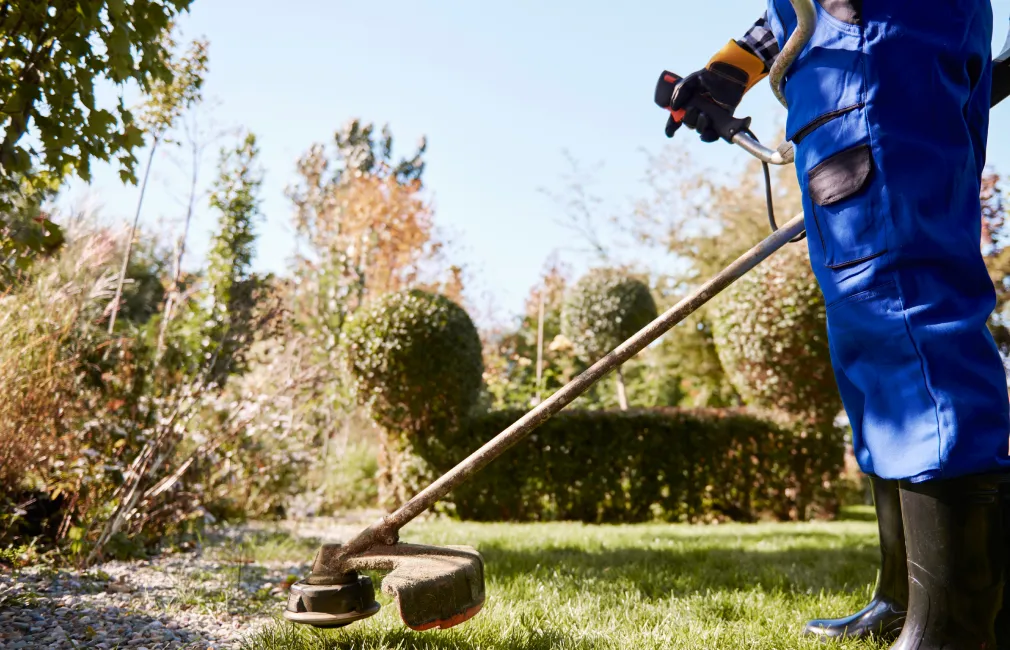
Edging and Trimming
-
Slashing and Acreage Mowing
-
Seasonal Lawn Maintenance
-
Lawn Clipping Removal
Our Lawn Mowing Process
Site Evaluation
Lawn Preparation
Mowing Execution
Edging and Trimming
Cleanup
Why Choose Fraser Fields Landscape Services
-
Fraser Fields Homeowners Trust Us
-
Expert Lawn Maintenance
-
Reliable Seasonal Cleanup
-
Competitive Pricing
-
Professional Team
-
Satisfaction Guarantee
-
Personalized Service
Coordinating Lawn Mowing Services with Fraser Fields Municipal Programs in Mesa
Fraser Fields is a residential community within the City of Mesa, and lawn mowing operations in this area fall under Mesa's municipal framework for property maintenance, green waste handling, and stormwater protection. Residents and property managers should be aware that grass clippings left on sidewalks, streets, or near storm-drain inlets can contribute to nutrient loading in the city's stormwater system. Mesa's environmental programs encourage property owners to manage clippings on-site through mulch-mowing or proper bagging and disposal through the city's green waste collection process. Before scheduling regular mowing service, property owners should verify current green waste pickup schedules and container requirements through the city's solid waste resources. For properties adjacent to public rights-of-way, coordination with the city's transportation infrastructure division may be necessary to confirm mowing boundaries and avoid encroachment on maintained public corridors.
- Bag or mulch-mow clippings to prevent material from entering curb inlets or drainage channels
- Confirm green waste container and collection rules through Mesa's residential services
- Coordinate right-of-way mowing boundaries with the city for lots bordering public streets or sidewalks
- Review stormwater protection expectations through Mesa's environmental sustainability resources
Mesa Streets & Transportation
City of Mesa, AZ 85201
Official Website: Mesa Streets & Transportation
Mesa Environment & Sustainability
City of Mesa, AZ 85201
Official Website: Mesa Environment & Sustainability
How Fraser Fields's Low-Desert Heat and Alkaline Soils Affect Lawn Mowing
Fraser Fields sits within the Phoenix metro low-desert environment, classified under USDA Hardiness Zone 9b–10a, where summer temperatures routinely exceed 110°F and turf grasses face sustained heat stress from May through September. The predominant turf species in this area is bermudagrass, which thrives during the warm season but is frequently overseeded with perennial ryegrass for winter color. Soils in the Mesa area tend toward alkaline sandy loam, often underlain by caliche hardpan at varying depths, which affects water infiltration and root development. Reflected heat from block walls, concrete driveways, and decomposed granite borders intensifies turf stress along property edges, requiring adjusted mowing practices in those zones.
- Alkaline soils (pH commonly above 7.5) influence nutrient availability and turf vigor, affecting how grass responds to mowing stress
- Caliche layers restrict deep root growth, making turf more vulnerable to scalping and drought between irrigation cycles
- Reflected heat from adjacent hardscape can raise surface temperatures by 10–20°F along turf borders, accelerating moisture loss after mowing
- Monsoon season (July–September) brings sudden heavy rainfall that can wash loose clippings into retention basins and neighborhood washes if not managed promptly
The University of Arizona Cooperative Extension provides region-specific guidance on turf species selection and seasonal care adapted to these conditions.
Navigating Fraser Fields's Stormwater and Property Maintenance Regulations for Mowing
Lawn mowing in Fraser Fields must account for Mesa's participation in Arizona's Phase II MS4 stormwater program, which requires municipalities to prevent pollutants—including organic debris and fertilizer-laden clippings—from entering the storm-drain system. Property owners and mowing contractors should direct discharge away from curb inlets and avoid blowing clippings into streets or drainage channels. Mesa's code compliance framework also addresses property maintenance standards, including vegetation height and lot upkeep, which may trigger enforcement action if turf is allowed to grow excessively or if clippings accumulate on public surfaces. Pesticide or herbicide applications performed in conjunction with mowing must comply with licensing requirements under the Arizona Department of Agriculture. The Arizona DEQ stormwater program outlines broader compliance expectations for managing landscape runoff.
- Grass clippings, soil, and organic debris must not be discharged into storm drains, washes, or retention basins
- Verify current property maintenance code thresholds for vegetation height through Mesa's development services
- Any chemical weed treatment applied during or after mowing requires a valid Arizona pesticide applicator license
- Mowing contractors operating commercial equipment on public rights-of-way should confirm access and noise-ordinance compliance
Mesa Engineering Department
City of Mesa, AZ 85201
Official Website: Mesa Engineering Department
Timing and Technique Standards for Lawn Mowing in Fraser Fields's Climate
Proper mowing height and timing are critical in Fraser Fields's extreme heat environment. The Turfgrass Maintenance Guide for Low Elevation Arizona recommends maintaining bermudagrass at approximately 1 to 1.5 inches during the active summer growing season and overseeded ryegrass at 2 to 2.5 inches during winter months. Mowing should be performed during early morning hours when turf is under less heat stress and irrigation has had time to absorb, reducing the risk of scalping or tearing moisture-stressed blades. During the bermudagrass-to-ryegrass transition in fall and the ryegrass-to-bermudagrass transition in spring, mowing height adjustments are essential to support the incoming turf species without smothering the outgoing one.
- Summer bermudagrass: mow at 1–1.5 inches; avoid removing more than one-third of the blade height per session
- Winter ryegrass: maintain at 2–2.5 inches; mow frequently enough to prevent clumping
- Irrigation coordination: mow at least 12–24 hours after irrigation to allow soil firming and reduce rut formation
- Clipping management: mulch-mow when clippings are light; bag and remove heavy clippings to prevent thatch buildup and wash contamination
- Blade maintenance: sharpen mower blades regularly, as dull cuts increase moisture loss and disease susceptibility in heat-stressed turf
Research from the University of Arizona Turfgrass Research program supports these height and frequency guidelines for low-elevation Arizona conditions. The Arizona Department of Water Resources also provides landscaping conservation guidance relevant to irrigation scheduling around mowing cycles.
What Neighborhoods Do We Serve Throughout Fraser Fields, AZ?
- Fraser Fields North — Established lots with mature bermudagrass lawns and block-wall perimeters that create reflected heat zones requiring careful mowing-height management along edges
- Fraser Fields South — Newer subdivision sections where compacted fill soils and developing turf root systems demand consistent mowing schedules to prevent scalping on uneven grade
- Lehi Crossing — Properties near older irrigation infrastructure where turf density varies and mowing frequency should account for uneven water distribution across lawn areas
- Mesa Eastmark adjacent areas — Lots bordering newer development with retention basins and engineered drainage where clipping containment during mowing is essential to protect stormwater infrastructure
- Superstition Freeway corridor neighborhoods — Residential parcels along the US-60 corridor where road dust and reflected freeway heat intensify turf stress, requiring adjusted mowing timing during peak summer months